


Goal Achieved
91
%



A Cultural problem
Deep-rooted cultural habits lead many Central Americans to high levels of Diabetes and Pre-Diabetes.
It is estimated that up to 8% of El Salvador’s health budget is allocated to diabetes treatment.*
This means that keeping just 5% of cases under control would save more than $24 million.

The MINSAL (Health Ministry of El Salvador), along with the IBD (International Development Bank), set out to face the challenge and hired Ingenious Behavior—where I collaborated as a Behavioral Designer—to lead those efforts.
*Source: MINSAL (USD 22 million in treatment expenses in 2019 indexed to 2022 prices); International Diabetes Federation, IDF Diabetes Atlas 10th Edition 2021; Rao Krishna et al. (2022), Expenses associated with all endocrine, nutritional, and metabolic diseases in 2020; CBA Prediabetes Study, Jose Soto, 2022; Bernal et al. (2022).




My Role
As part of the Ingenious Behavior team, an innovation lab within the Ingenious Agency, I got to participate in several aspects of this project:
User Research
Behavioral Design
Product Design
UX
Design System
UI
Prototype
UAT
Behavioral
Design Sprint
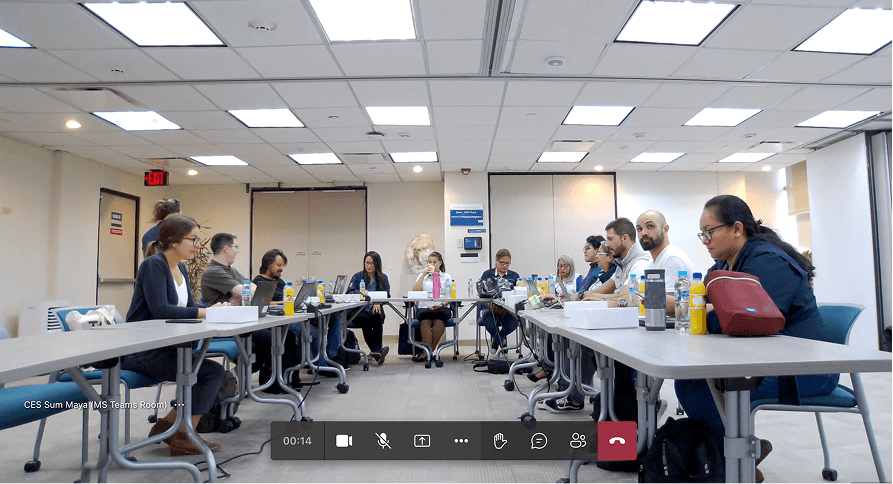
A Behavioral Design Sprint was held, bringing together doctors, patients, specialists, and members of the MINSAL and the IBD to define, think, and create a solution.
The sprint was divided into two main phases. The first one, held remotely, focused on:
1 - Analyzing the context, users, and their environments.
2 - Defining specific value for each user and mapping the behaviors required to deliver it.
3 - Analyzing barriers that prevent those behaviors.
4 - Designing a public service mechanism—its brand, communication, and an app prototype—as part of that mechanism.
For the second module, we flew to El Salvador and met the rest of the team at the IBD offices.
There, we polished the strategy and finished the app prototype.
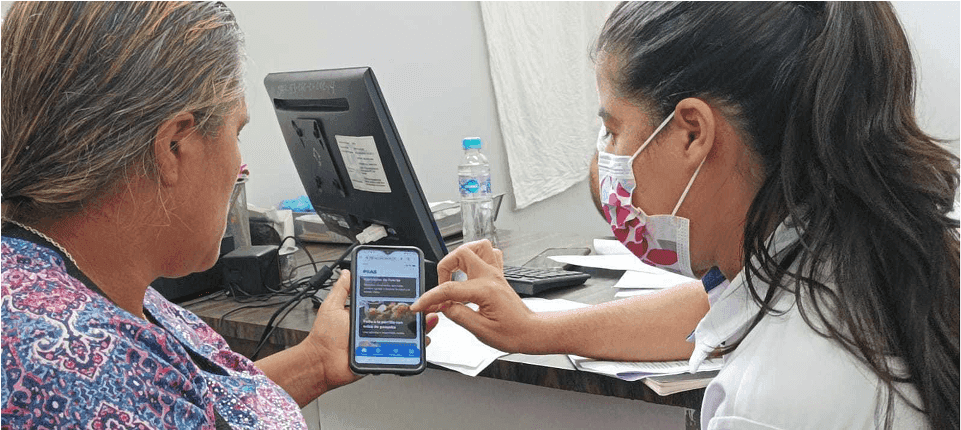
We gathered feedback from real users at three public medical institutions, testing the app and capturing their reactions, emotions, and thoughts.


My two cents
During the second phase, working on-site alongside renowned doctors and psychologists, one thing struck me:
we were designing for a population with mid-to-low educational levels through the eyes of highly educated and experienced people.
It became clear that our top priority should be ensuring that whatever we presented would not make people feel bad about themselves (not educated or tech-savvy enough).
After expressing this concern to the team, I suggested we make the whole UX not only friendly, but obvious.
I wanted people to feel safe and reassured that they wouldn’t make a fool of themselves while engaging with a group of highly educated people taking notes and recording their reactions.
Output
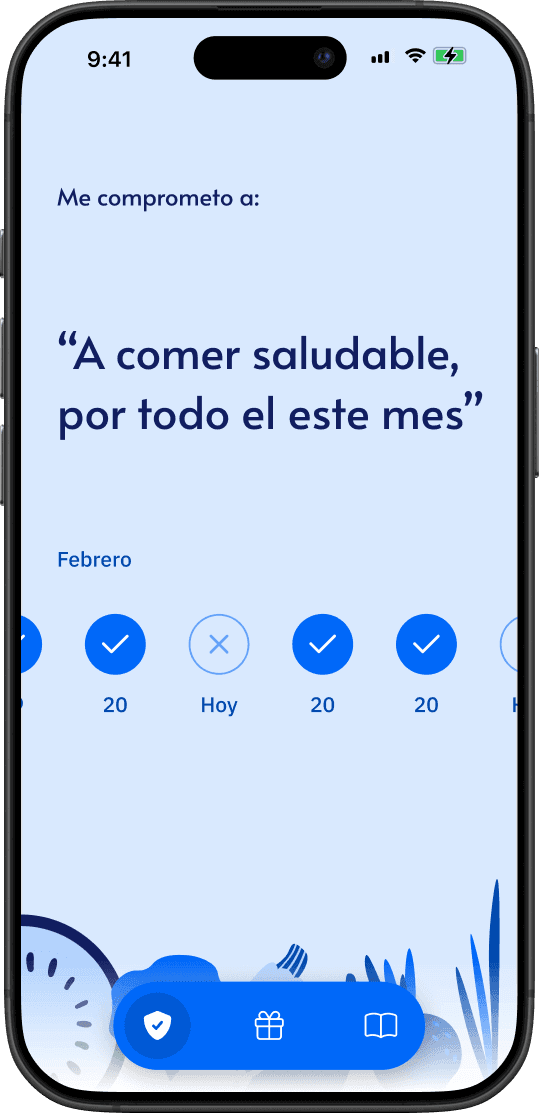
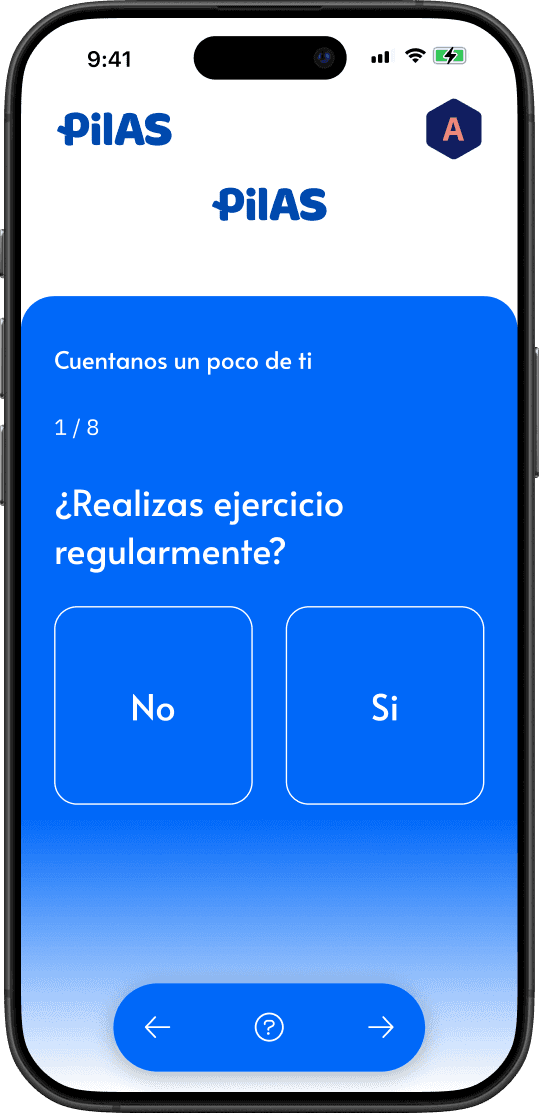
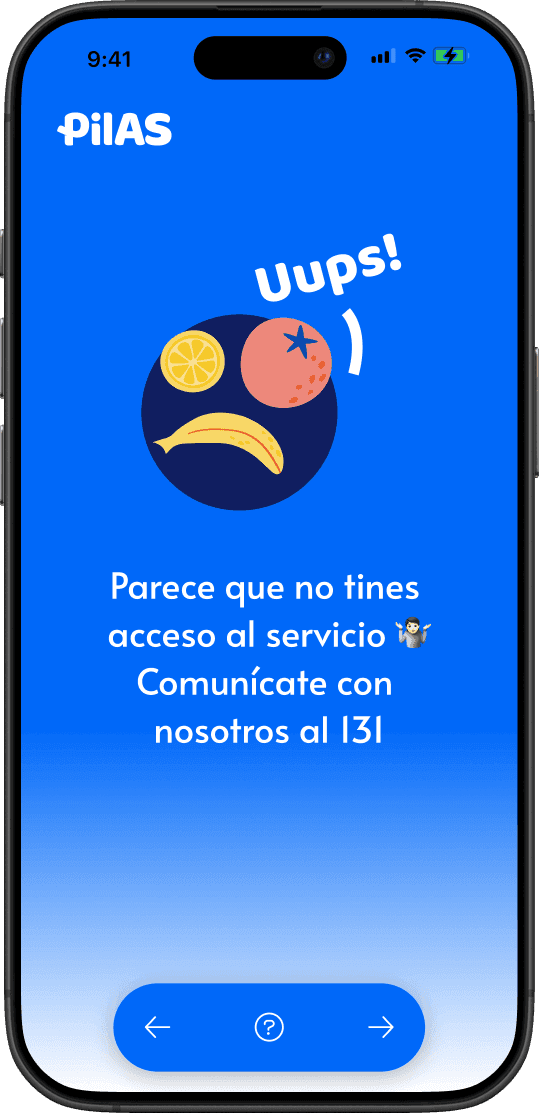
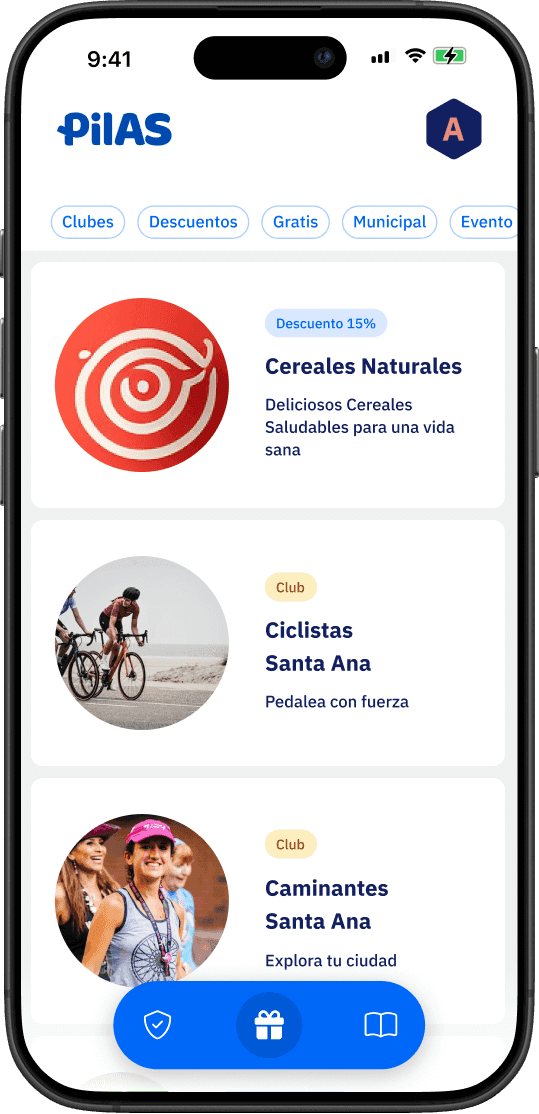
Rather than a single experiment, "Pilas" is a system that incorporates several interventions together that can become the driving force behind all non-pharmacological prescriptions in El Salvador.
"Pilas" is a good example of how to use a behavioral design methodology to address a complex challenge. Using a multidisciplinary team, following simple exercises with a systemic approach, and focusing on providing value for all involved has allowed the development of a comprehensive and scalable prediabetes treatment service.




Jennifer Nelson. IDB
More


© 2025 Marcelo Brum. All trademarks and copyrights are the property of their respective owners